
Implied Consent Violations in Tennessee

An implied consent violation occurs when a driver refuses to submit to a requested chemical test after an arrest. This issue is separate from a DUI charge and focuses on compliance with testing requirements rather than impairment.
These situations often arise in the context of DUI-related cases in Tennessee, but they are evaluated independently based on the facts surrounding the testing request and the driver’s response.
What Is an Implied Consent Violation?
Under Tennessee law, drivers are deemed to have given consent to chemical testing as a condition of operating a vehicle. This includes breath, blood, or urine testing when requested following a lawful arrest for suspected impaired driving.
The legal framework for this requirement is outlined in Tennessee Code Annotated § 55-10-406, which explains when testing may be requested and how refusal is addressed.
An implied consent violation is not based on the outcome of a test. Instead, it focuses on whether a driver declined or failed to comply with a lawful request.
When Can an Officer Request Chemical Testing?
A request for chemical testing must follow a lawful arrest. Tennessee law provides that law enforcement must have reasonable grounds to believe a person was operating a vehicle while under the influence before making that request.
In most situations, this process begins with a traffic stop, followed by an investigation, and then an arrest. Only after those steps can an officer require testing under implied consent laws.
The timing and circumstances of the request may become relevant when courts evaluate these cases.
In many situations, these issues intersect with legal considerations discussed in first-time DUI cases in Tennessee, even though the legal standards remain distinct.

Practice Areas
Criminal defense law encompasses many different types of offenses. The following categories represent common areas where individuals may require legal representation.

Breath Test Refusal Cases
Focus this section on situations where a driver declines a roadside or post-arrest breath test. You can explain how Tennessee law provides that refusal of a breath test after a lawful arrest may lead to license-related consequences under Tennessee Code Annotated § 55-10-406. The issue in these cases often centers on how the refusal occurred and whether proper notice was given.

Blood Test Refusal and Warrant Issues
This section should cover cases involving refusal of a blood test and the use of search warrants. You can explain that in some situations, law enforcement may seek a warrant to obtain a blood sample after a refusal. The legal focus here is on the timing of the request, the existence of a warrant, and how the procedure was carried out.

Failure to Complete Chemical Testing
Not all violations involve a direct refusal. This section can address situations where testing begins but is not completed. You can explain that failure to provide an adequate breath sample or inability to complete testing may be treated as a refusal, depending on the circumstances.
Speak With a Tennessee Defense Attorney About Implied Consent Violations
An implied consent allegation can raise important legal questions about how a traffic stop, arrest, and testing request were conducted. These cases often depend on timing, communication, and whether proper procedures were followed under Tennessee law. Reviewing the details early can help clarify how the refusal is being evaluated and how it may affect your driving privileges. A careful assessment of the facts, including the testing request, any warnings provided, and the surrounding circumstances, can be an important step in understanding your situation.
If you have been accused of refusing a chemical test, you can speak with a defense attorney to better understand how these issues are addressed within the framework of DUI-related cases in Tennessee and how they may apply to your case.
What Counts as a Refusal in Tennessee?
This can include clearly declining the test, delaying the process without justification, or failing to follow instructions during the testing procedure. In some cases, a lack of cooperation may also be interpreted as refusal.
In other situations, confusion or miscommunication may become an issue. The details of the interaction between the driver and law enforcement often play a central role in how refusal is interpreted.
How Implied Consent Cases Are Processed in Tennessee
These cases often begin in General Sessions Court, where initial hearings take place. From there, the case may proceed depending on how the charges are handled.
This structure allows courts to evaluate refusal independently from any underlying DUI allegation.
For a broader understanding of how these cases progress through the system, you can review how a Tennessee DUI case moves from traffic stop to trial.
Key Legal Issues in Implied Consent Cases
Several legal questions may influence how an implied consent violation is evaluated.
Whether the Traffic Stop Was Lawful
A valid stop is required before any enforcement action. If the stop is challenged, it may affect the foundation of the case.
Whether the Arrest Was Lawful
Testing obligations arise only after a lawful arrest. The legality of that arrest can be a central issue.
Whether Proper Notice Was Given
Officers must inform drivers of the consequences associated with refusing a chemical test. The adequacy of that notice may be reviewed.
Whether the Refusal Was Clear
In some cases, the issue is not simply whether a refusal occurred, but whether it was clearly communicated under the circumstances.

Difference Between DUI Charges and Implied Consent Violations
A DUI charge focuses on alleged impairment while operating a vehicle. An implied consent violation focuses on compliance with a testing request.
Because these issues are separate, one may proceed independently of the other. A person may face an implied consent violation regardless of how the DUI allegation is resolved.
Situations That Commonly Lead to Refusal Allegations
Refusal allegations can arise in a range of situations, including uncertainty during a traffic stop, misunderstanding instructions, or concerns about the testing process.
Each case depends on its specific facts, and the interaction between the driver and law enforcement often shapes how the matter is addressed.
Frequently Asked Questions
What does implied consent mean in Tennessee?
Tennessee law provides that drivers are considered to have agreed to chemical testing after a lawful DUI arrest.
Can I refuse a breath or blood test?
A driver can refuse testing, but that refusal may result in separate legal consequences under implied consent law.
What happens to my license after refusal?
Refusal may lead to a suspension of driving privileges based on statutory requirements.
Is refusal a separate violation from DUI?
Yes. It is a distinct legal issue focused on compliance with testing requirements.
Can refusal be used in court?
Courts may allow refusal to be considered as part of the overall evidence.
Does refusal mean I will be convicted of DUI?
Refusal alone does not determine the outcome of a DUI charge.
How long does an implied consent suspension last?
The duration depends on the specific circumstances and applicable law.
The Cassell Firm News
Practical Law You Can Use

How a Nashville DUI Case Can Affect Your Driver’s License and Work
A DUI case can create separate driving and employment concerns. Early planning helps protect court compliance, transportation, and work responsibilities.
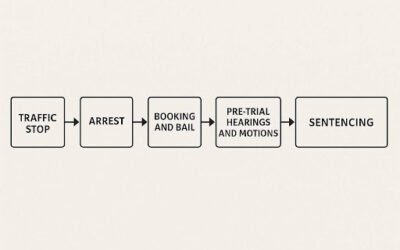
From Traffic Stop to Trial: A Timeline of a Tennessee DUI Case
Being arrested for DUI in Nashville, TN can be confusing and frightening. For many people, it is their first encounter with the criminal courts. A traffic stop that lasts only a few minutes may lead to months of hearings and legal obligations. The best way to approach...

How Drug Laws Impact Criminal Defense in Tennessee
How Drug Laws Impact Criminal Defense in Tennessee Tennessee is a perfect example of a state with stringent drug laws. It has tough regulations governing the possession of substances that the federal government has restricted. Because of these laws, anyone in...