
Property Crime Defense Attorneys

Property Crime Defense Attorney
Property crime charges in Tennessee can involve several types of allegations, each defined by specific legal elements and factual circumstances. These cases may include theft-related offenses, burglary allegations involving entry into a structure, arson claims involving damage caused by fire or explosion, vandalism allegations based on property damage, and trespass-related offenses such as criminal trespass or aggravated criminal trespass. While these offenses fall under the broader category of property-related crimes, each is addressed differently under Tennessee law and may be part of a broader criminal defense case.
Theft-related charges generally involve allegations of obtaining or exercising control over property without effective consent, while burglary allegations focus on entry into or remaining in a structure with intent to commit a felony, theft, or assault. Arson allegations involve claims of property damage caused by fire or explosion, and the seriousness of the charge may depend on the type of property involved and the surrounding circumstances. Vandalism cases typically involve damage or destruction of property, with classification often influenced by the cost of repair or replacement.
Trespass-related allegations involve entering or remaining on property without permission. In these cases, issues such as notice, prior warnings, or a claimed belief that entry was allowed may affect how the situation is evaluated. Although these charges may appear straightforward, they often involve factual and legal questions that can influence how they are classified and addressed in court.
Understanding the differences between these offenses is important because classification can affect potential penalties, court procedures, and long-term consequences such as a criminal record. Because these determinations are closely tied to the specific facts and legal definitions involved, a detailed review of the charge and the surrounding circumstances is often necessary to fully understand the situation and how it fits within a broader criminal defense strategy.

Property Crime Defense Areas
Each category of property-related charges involves different legal elements, which can affect how the case is evaluated and how it proceeds through the court system.
Theft
Under Tennessee law, theft occurs when a person knowingly obtains or exercises control over property without the owner’s consent and with the intent to deprive the owner of it.
The severity of a theft charge depends on the value of the property involved. Lower-value cases may be charged as misdemeanors, while higher-value cases can result in felony charges with significant penalties, including prison time.
Shoplifting offenses are also prosecuted under Tennessee’s general theft statutes.

Burglary
Burglary in Tennessee involves entering a building, structure, or vehicle without consent with the intent to commit a felony, theft, or assault inside.
Contrary to common belief, there is no requirement of forced entry. A person can be charged with burglary simply based on unlawful entry combined with intent.
Burglary is typically charged as a felony offense and can carry significant prison exposure depending on the circumstances.

Arson
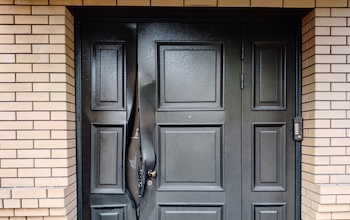
Arson-related charges involve allegations of property damage caused by fire or explosion. These cases often rely on investigative findings and technical evidence. The seriousness of the charge may depend on the type of property and the extent of the alleged damage.

Vandalism
Vandalism involves intentionally damaging, destroying, or tampering with another person’s property. In Tennessee, the penalties for vandalism are based on the value of the damage caused.
Depending on the circumstances, vandalism can be charged as either a misdemeanor or a felony, with more severe penalties for higher-value damage.

Criminal Trespass / Aggravated Criminal Trespass
Trespass-related charges involve entering or remaining on property without permission. Aggravated allegations may include additional factors such as prior notice or specific conditions related to the property. These cases often depend on whether consent existed or was reasonably believed.
Charged With Theft, Burglary, or a Property Crime?
Property Crime Penalties in Tennessee
Penalties for property crimes in Tennessee vary based on the type of offense and the value of the property involved.
Misdemeanor offenses may carry up to 11 months and 29 days in jail, while felony convictions can result in years of imprisonment, substantial fines, and long-term consequences.
In addition to criminal penalties, a conviction can create a permanent record that affects employment, housing, and professional licensing.
Potential Defenses to Property Crime Charges
Every case is different, but there are several defenses that may apply in property crime cases, including:
– Lack of intent to commit a crime
– Mistaken identity
– Ownership or consent disputes
– Insufficient evidence
– Violations of constitutional rights, such as unlawful searches or seizures
A thorough review of the facts is essential to determine the best criminal defense strategy.

Key Legal Issues in Property Crime Cases
Property crime cases often depend on specific legal and factual issues that can influence how a charge is filed and how a case proceeds through the court system. Even when two cases involve similar allegations, the underlying facts can lead to very different results under Tennessee law. Questions surrounding intent, consent, value, and identification frequently shape how these cases are evaluated and how they move forward.
One of the most important issues is intent. Tennessee law provides that theft-related charges require proof of an intent to deprive the owner of property. Disputes can arise in situations involving misunderstandings, temporary use, or disagreements over ownership. In some cases, the issue is not the act itself but whether there was a clear intent behind it. Consent can also become a central factor, particularly when there is a question about permission or a reasonable belief that permission had been given.
The value of the property or the extent of the damage is another key consideration. Tennessee law uses value thresholds to determine how certain offenses are classified, which can affect the level of the charge. In vandalism cases, the cost of repair or replacement may be closely examined, while in theft cases, the valuation of property can directly influence whether the charge is treated as a misdemeanor or a felony. Some allegations involving fraud, financial records, or deception may also overlap with topics discussed on our white collar criminal defense page.
Identification and evidence often play a significant role, especially in cases involving surveillance footage, digital records, or multiple individuals. Questions may arise about the reliability of witness statements, the clarity of video evidence, or how information was collected during the investigation. For a deeper look at how digital and physical evidence can impact criminal cases, you can review our article on The Impact of Digital Evidence in Modern Court Cases.

Property crime charges in Tennessee are classified based on several factors, including the value of the property or services involved and the specific type of offense alleged. Tennessee law provides that theft-related offenses are graded by value, as outlined in the Tennessee Code governing criminal offenses, meaning lower-value allegations may be charged as misdemeanors while higher-value cases can lead to felony charges.
. As the value increases, the level of the offense and the potential consequences may also increase.
Vandalism charges are generally evaluated in a similar way, with the classification often tied to the cost of damage or repair. In these cases, disputes may arise over how damage is assessed and whether the valuation accurately reflects the circumstances. Even small differences in valuation can affect how a charge is categorized under Tennessee law.
Burglary offenses are classified differently and are typically charged as felonies. Tennessee law provides that burglary classifications depend on the type of structure involved, such as a building, vehicle, or habitation. Allegations involving a habitation are generally treated more seriously than those involving other types of structures, which can influence how the case proceeds.
The classification of a property crime charge can affect multiple aspects of a case, including potential penalties, court procedures, and long-term consequences such as a criminal record. For a more detailed breakdown of how these classifications work across different offenses, you can review our guide on How Criminal Charges Are Classified in Tennessee Courts.

How Property Crimes Relate to Other Criminal Charges
Property-related offenses such as theft, burglary, and robbery can sometimes overlap with other categories of criminal law. For example, robbery involves elements of both theft and force, which can place it within the broader category of [violent crime charges].
In other situations, financial motivations behind property offenses may connect to issues seen in drug-related criminal cases.

Legal Defenses in Property Crime Cases
Legal defenses in property crime cases depend on the specific allegations, the facts involved, and the evidence presented. Tennessee law requires the prosecution to establish certain elements for each charge, and disputes often arise around how those elements apply to the situation. A detailed review of the case is often necessary to identify issues that may affect how the charge is evaluated.
One common issue involves intent. In theft-related cases, Tennessee law provides that the prosecution must show an intent to deprive the owner of property. When the facts suggest a misunderstanding, temporary use, or a lack of clear intent, this can become an important point of dispute. Questions about intent may also arise in situations involving shared property or unclear agreements.
Identification can also be a significant factor, particularly in cases involving surveillance footage or multiple individuals. Mistaken identity may be raised when the available evidence does not clearly establish who was involved. The reliability of witness statements, the quality of video evidence, and the circumstances surrounding identification can all affect how a case is assessed.
Consent and ownership issues may also play a role in property-related cases. If permission was given, or if there was a reasonable belief that permission existed, that may affect how the allegation is interpreted. Disputes over ownership or possession can arise in situations involving shared use of property or conflicting claims.
In some cases, legal challenges may focus on how evidence was obtained during the investigation. Tennessee law provides procedural protections related to searches, seizures, and investigative practices under the Tennessee Rules of Criminal Procedure. If those procedures are not followed, it may affect how certain evidence is considered in court and how the case proceeds.
FAQ About Property Crime Charges
What is considered a property crime in Tennessee?
Property crimes generally include offenses such as theft, burglary, vandalism, arson, and trespass. These charges involve allegations related to taking, damaging, or entering property without permission, and each offense is defined separately under Tennessee law.
How are property crime charges classified in Tennessee?
Tennessee law provides that many property-related offenses are classified based on factors such as the value of the property or the type of conduct involved. Some charges may be misdemeanors, while others may be classified as felonies depending on the circumstances.
Can a property crime charge result in jail time?
Property crime charges can carry different penalties depending on the classification of the offense. These may include incarceration, probation, fines, or restitution. The specific outcome depends on the charge, the facts of the case, and other legal factors.
What is the difference between theft and burglary?
Theft generally involves taking or controlling property without consent, while burglary involves entering or remaining in a structure without permission and committing or attempting to commit another offense. The legal elements of these charges are different under Tennessee law.
What should I do if I am accused of a property crime?
If you are accused of a property-related offense, it is important to understand the nature of the charge and the legal process. Property crime cases often involve issues related to intent, evidence, and classification, which can affect how the case proceeds.
Can property crime charges be dismissed or reduced?
The resolution of a property crime case depends on the evidence, legal issues, and procedural factors involved. Each case is different, and outcomes can vary based on the circumstances and how the case is presented.
Will a property crime affect my criminal record?
Yes. A conviction may appear on a criminal record and may affect employment, housing, and other opportunities. Tennessee law provides that some cases may qualify for diversion or expungement depending on eligibility.
The Cassell Firm News
Practical Law You Can Use
Quick reads that explain your rights, the court process, and how to prepare for a consultation. TAKE ME TO THE NEWS

Preparing for Your First Meeting With a Criminal Defense Attorney in Nashville
A criminal defense consultation in Nashville is an initial meeting between a person accused of a crime and an attorney to review charges, court dates, available evidence, and rights under Tennessee law. Proper preparation allows the lawyer to evaluate the procedural...

How Criminal Charges Are Classified in Tennessee Courts
When someone is charged with a crime in Tennessee, the first question most people ask is how serious the charge actually is. In legal terms, that question comes down to classification. Tennessee law classifies criminal offenses for sentencing purposes, which affects...

What Happens After a Felony Arrest in Nashville? Your Rights and Next Steps
Getting arrested for a felony in Nashville can feel like the ground drops out from under you. People want to know where their loved one is being held, when the first court date will happen, and what to say or not say. The answers matter. Small choices in the first day...