
Vehicular Homicide and Vehicular Assault in Tennessee

Many cases begin as a DUI investigation but escalate based on the outcome of the incident. When injury or loss of life is involved, prosecutors may pursue additional charges that carry significantly higher penalties. Understanding how these charges are defined and evaluated is critical for anyone facing allegations tied to a DUI-related accident.
If you are already exploring your legal options after an arrest, reviewing how DUI charges are handled under Tennessee law can provide helpful context. You can start with this overview of DUI defense in Tennessee to understand how these cases often begin.
What Is Vehicular Homicide in Tennessee
Under Tenn. Code Ann. § 39-13-213, vehicular homicide may be charged when a driver causes death through conduct that is considered reckless, impaired, or otherwise unlawful. The statute includes multiple pathways for prosecution, including cases involving alcohol, controlled substances, or a combination of both.
Courts may examine several factors when evaluating these cases. These can include blood alcohol concentration, evidence of impairment, driving behavior before the incident, and any other contributing circumstances. The presence of intoxication often plays a central role in how charges are filed and pursued.
Some cases may also involve elevated classifications, such as aggravated vehicular homicide, which can apply when prior DUI convictions or other statutory conditions are present. Tennessee law provides strict sentencing frameworks for these enhanced charges.

Practice Areas
Understanding how Tennessee law addresses cases involving injury or loss of life can help you evaluate your legal options early.

Reckless Driving Causing Death or Injury

Criminally Negligent Homicide Involving a Vehicle

Aggravated Vehicular Homicide Allegations
Certain vehicular homicide cases may be elevated based on statutory factors such as prior DUI convictions or other qualifying circumstances. Under Tenn. Code Ann. § 39-13-218, these enhanced charges involve stricter penalties and a higher level of legal scrutiny. Courts may review prior history along with the facts of the incident when determining how the law applies.
Speak With a Attorney About Vehicular Homicide Charges
For additional context on how these matters fit within the broader system, you can review defense representation in Tennessee criminal cases.
What Is Vehicular Assault Under Tennessee Law
Under Tenn. Code Ann. § 39-13-106, a person may face vehicular assault charges when impairment leads to injuries that meet the legal definition of serious bodily injury. This may include injuries that create a substantial risk of death, cause prolonged impairment, or result in significant disfigurement.
Tennessee law treats these allegations as more than a routine DUI matter. The presence of injury shifts the case into a different category, where both criminal liability and potential long-term consequences increase.
As with vehicular homicide, courts may consider evidence related to intoxication, the manner of driving, and the extent of harm caused to the alleged victim.
How DUI Leads to Vehicular Homicide or Assault Charges
If a crash results in serious injury or death, officers typically conduct a detailed investigation that may include chemical testing, accident reconstruction, witness statements, and scene analysis. The findings from this process often shape how charges are filed.
Tennessee law allows prosecutors to pursue multiple charges arising from the same event. A person may face DUI charges along with vehicular homicide or vehicular assault, depending on the circumstances.
For broader context on how courts treat cases involving loss of life, you can review how criminal homicide charges in Tennessee are defined and prosecuted. This helps clarify how vehicular cases differ from other homicide-related offenses.
Key Differences Between Vehicular Homicide and Vehicular Assault
Tennessee law requires prosecutors to establish a connection between the driver’s conduct and the harm that occurred. This concept of causation is often central to how cases are evaluated in court. Evidence must show that the alleged impairment or behavior contributed directly to the outcome.
Another distinction involves how charges may be classified and sentenced. Vehicular homicide charges often carry more severe penalties due to the nature of the harm involved. However, vehicular assault charges still involve felony exposure and can result in significant legal consequences.
Both types of cases may involve complex factual and legal issues, particularly when questions arise about fault, contributing factors, or the reliability of evidence.

Penalties for Vehicular Homicide in Tennessee
Tennessee law provides strict penalties for both vehicular homicide and vehicular assault. These penalties depend on the classification of the offense, prior history, and specific facts of the case.
Vehicular homicide is typically charged as a felony, with sentencing ranges that vary based on the statutory classification. In certain circumstances, such as repeat DUI-related offenses or other aggravating factors, the charge may be elevated to a higher felony level with longer potential incarceration.
Vehicular assault is also a felony offense and may result in imprisonment, fines, and long-term consequences related to a criminal record. Courts may also impose license revocation and other restrictions tied to driving privileges.
In both types of cases, Tennessee law allows courts to consider a range of factors when determining sentencing. These may include the severity of harm, the level of impairment, and any prior criminal history.
How Tennessee Courts Evaluate These Cases
Courts in Tennessee evaluate vehicular homicide and vehicular assault cases based on evidence, statutory definitions, and the specific facts presented. Each case involves a detailed review of how the incident occurred and the role that impairment or reckless conduct may have played.
Judges and juries may consider evidence such as toxicology results, witness testimony, expert analysis, and law enforcement reports. The credibility and reliability of this evidence often play a significant role in how cases proceed.
Tennessee law provides that the prosecution must meet its burden of proof for each element of the charged offense. This includes establishing causation, impairment, and the required mental state under the statute.
Because these cases involve serious allegations, the legal process may include multiple stages, such as hearings, negotiations, and potential trial proceedings.
Frequently Asked Questions
What is the difference between vehicular homicide and vehicular assault in Tennessee?
Vehicular homicide involves the death of another person caused by a driver’s conduct, while vehicular assault involves serious bodily injury without a fatal outcome.
Can a DUI lead to felony charges in Tennessee
Yes. Tennessee law provides that DUI-related incidents involving injury or death may result in felony charges such as vehicular assault or vehicular homicide.
What qualifies as serious bodily injury in vehicular assault cases
Serious bodily injury generally includes injuries that create a substantial risk of death, cause long-term impairment, or result in significant disfigurement.
How do prosecutors prove vehicular homicide?
Prosecutors must establish that the driver’s conduct, including impairment or recklessness, caused the death of another person as defined under Tennessee law.
Are vehicular homicide charges always related to DUI
Not always. While many cases involve DUI, Tennessee law also allows charges based on reckless or negligent conduct without intoxication.
Can multiple charges be filed from one accident?
Yes. A single incident may lead to DUI charges along with vehicular homicide or vehicular assault, depending on the outcome and evidence.
The Cassell Firm News
Practical Law You Can Use

How a Nashville DUI Case Can Affect Your Driver’s License and Work
A DUI case can create separate driving and employment concerns. Early planning helps protect court compliance, transportation, and work responsibilities.
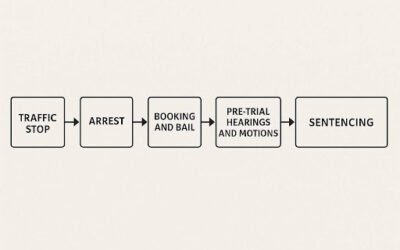
From Traffic Stop to Trial: A Timeline of a Tennessee DUI Case
Being arrested for DUI in Nashville, TN can be confusing and frightening. For many people, it is their first encounter with the criminal courts. A traffic stop that lasts only a few minutes may lead to months of hearings and legal obligations. The best way to approach...

How Drug Laws Impact Criminal Defense in Tennessee
How Drug Laws Impact Criminal Defense in Tennessee Tennessee is a perfect example of a state with stringent drug laws. It has tough regulations governing the possession of substances that the federal government has restricted. Because of these laws, anyone in...