
First Offense DUI Defense Attorneys

Many people facing a first DUI charge are concerned about immediate consequences, including the risk of jail, loss of license, and how the case will move through the court system. These concerns begin at the time of arrest and continue throughout the legal process.
A first DUI case follows a structured path through Tennessee courts. Each stage involves review of evidence, court appearances, and application of state law. Understanding this process early can help clarify what to expect.
For a broader understanding of how impaired driving charges are handled statewide, review our page on Tennessee DUI defense representation.
What Are the Penalties for a First DUI in Tennessee?
A conviction may include a minimum jail sentence, monetary fines, and suspension of driving privileges. The law establishes a minimum period of incarceration that must be served, along with a range of fines that courts may impose.
In addition to jail and fines, a first DUI conviction typically results in a one-year license suspension. Courts may also require participation in an alcohol education program or installation of an ignition interlock device, depending on the circumstances.
These penalties are governed by Tenn. Code Ann. § 55-10-402. Courts apply the statutory framework while considering the facts presented in each case.

First DUI Practice Areas
Criminal defense law encompasses many different types of offenses. The following categories represent common areas where individuals may require legal representation.

First DUI with Elevated Blood Alcohol Levels
Some first offense cases involve higher measured alcohol levels. Tennessee law allows courts to consider blood alcohol concentration when determining penalties within the statutory range. These cases may involve additional review of testing procedures and how results were obtained. Courts evaluate whether proper protocols were followed during the investigation.

First Offense DUI Involving Prescription or Controlled Substances
A first DUI charge may involve impairment caused by medications or controlled substances rather than alcohol. These cases often require laboratory testing and analysis. Courts may consider how the substance affected the ability to operate a vehicle safely. Evidence in these cases can differ from alcohol-based DUI charges.

Refusal to Submit to Chemical Testing in a First DUI Case
Vehicular homicide and vehicular assault are serious charges that may arise when a fatality or injury occurs in connection with an alleged DUI incident. These cases often involve extensive investigations and are prosecuted in criminal court.

First DUI Charges Involving Traffic Accidents
Some first offense DUI cases arise from accidents involving property damage or injury. These situations may involve additional evidence such as accident reports and witness statements. Courts may review how the accident occurred and whether impairment contributed to the incident.

Underage Drivers Facing a First DUI Charge
Drivers under the legal drinking age may face DUI-related charges under different legal thresholds. Tennessee law provides specific provisions for underage drivers. These cases often involve lower alcohol limits and separate legal considerations compared to standard DUI cases.

First DUI Cases with Aggravating Factors
Certain circumstances may increase how a case is evaluated, including the presence of minors or other risk-related factors. Tennessee law allows courts to consider these elements when applying penalties. Each case is reviewed individually based on the facts and applicable statutory guidelines.
Talk With a DUI Defense Lawyer
If you are facing DUI charges, understanding the legal process is an important first step. Speak with an attorney to learn how DUI cases move through the criminal court system.
Legal Framework for First Offense DUI
Tennessee law defines DUI under Tenn. Code Ann. § 55-10-401. A person may be charged if they are driving or in physical control of a vehicle while impaired by alcohol, drugs, or a combination of substances.
A blood alcohol concentration of 0.08 percent or higher can serve as the basis for a charge. Tennessee law provides that chemical testing results may be used alongside other forms of evidence.
Impairment is not limited to alcohol. Controlled substances and prescription medications may also lead to DUI charges if they affect the ability to operate a vehicle safely.
Courts evaluate these cases based on the totality of the circumstances, including observations, testing results, and how the investigation was conducted.
Civil vs Criminal Impact of a DUI Charge
At the same time, a DUI arrest can trigger administrative consequences affecting driving privileges. These actions are separate from the criminal case and may begin shortly after the arrest.
The difference between criminal penalties and administrative actions is important. Criminal penalties are imposed after conviction, while administrative actions may occur based on test results or refusal.
To understand how criminal cases move through Tennessee courts, review our page on criminal defense services in Tennessee courts.
What Happens After a First DUI Arrest
After booking, a court date is scheduled, often starting in General Sessions Court. Early appearances may involve bond conditions and scheduling of future hearings.
As the case progresses, evidence is reviewed, including officer reports and testing results. Legal issues may arise regarding how the stop was conducted or how evidence was obtained.
For a deeper explanation of each stage, review the firm’s guide on how a Tennessee DUI case moves from traffic stop to trial.

How Courts Evaluate First Offense DUI Cases
Evidence gathered during the investigation is also evaluated. This includes field sobriety tests and observations made by law enforcement officers.
Chemical testing results are often central to DUI cases. Courts examine how these tests were conducted and whether proper procedures were followed.
Constitutional considerations may also be reviewed, including whether the individual’s rights were respected during the investigation.
Jail Time, Fines, and License Suspension for a First DUI
Tennessee law provides mandatory minimum penalties for DUI convictions. Even a first offense includes a required minimum period of incarceration. Fines are also imposed within a statutory range. Courts determine the amount based on the circumstances of the case.
License suspension is a standard consequence following a conviction. Tennessee law provides a defined suspension period for first-time offenses. Additional requirements may include education programs or ignition interlock devices. Courts apply these conditions based on statutory guidelines.

Tennessee DUI Enforcement and Court Considerations
Law enforcement agencies across Tennessee conduct DUI enforcement through traffic stops and investigations. These efforts are intended to identify impaired driving.
Sobriety checkpoints may also be used in accordance with legal standards. Courts may review the validity of these procedures if challenged.
Court procedures follow statewide rules, though scheduling and timing may vary. Tennessee law provides consistency in how DUI cases are handled.
Each case is evaluated individually, based on evidence and applicable legal standards.
How a First DUI Can Affect Your Record and Future
A DUI conviction may result in a permanent criminal record. This can affect background checks and future opportunities.
Insurance rates may increase following a DUI conviction. Coverage terms can change based on the presence of a criminal offense involving driving.
Employment considerations may also arise. Certain professions may review criminal records as part of hiring or licensing decisions.
The long-term impact depends on individual circumstances, but the legal consequences extend beyond the initial court process.
FAQ – First Offense DUI in Tennessee
Will I go to jail for a first DUI in Tennessee?
Tennessee law provides mandatory minimum sentencing requirements for DUI convictions, which include a period of incarceration. Courts apply these requirements based on the statute and the facts presented in the case.
How long is your license suspended after a first DUI in Tennessee?
A first DUI conviction typically results in a one-year driver’s license suspension under Tennessee law. The exact terms depend on the circumstances and any applicable statutory provisions.
Is a first DUI a misdemeanor in Tennessee?
A first offense DUI is generally classified as a misdemeanor under Tennessee law. It is still treated as a criminal offense and processed through the court system.
What is the minimum jail time for a first DUI in Tennessee?
Tennessee law provides a minimum jail requirement for DUI convictions. Courts must apply the statutory minimum sentence when a conviction is entered.
What happens if you refuse a breath or blood test in Tennessee?
Refusal to submit to chemical testing may lead to separate administrative consequences affecting driving privileges. Tennessee law provides specific penalties related to implied consent.
Can you get a restricted license after a first DUI in Tennessee?
In some situations, a restricted license may be available for limited purposes such as work or school. Courts evaluate eligibility based on statutory requirements.
How long does a first DUI stay on your record in Tennessee?
A DUI conviction may remain on a criminal record. The long-term impact depends on how the case is resolved and on applicable Tennessee law.
What factors can increase penalties for a first DUI?
Courts may consider factors such as blood alcohol concentration, involvement in an accident, or the presence of minors when applying penalties within the statutory range.
The Cassell Firm News
Practical Law You Can Use
Quick reads that explain your rights, the court process, and how to prepare for a consultation. TAKE ME TO THE NEWS

How a Nashville DUI Case Can Affect Your Driver’s License and Work
A DUI case can create separate driving and employment concerns. Early planning helps protect court compliance, transportation, and work responsibilities.
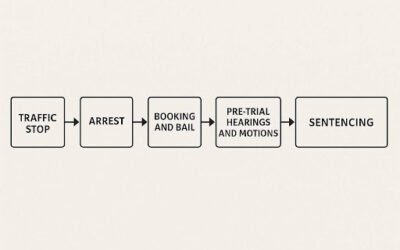
From Traffic Stop to Trial: A Timeline of a Tennessee DUI Case
Being arrested for DUI in Nashville, TN can be confusing and frightening. For many people, it is their first encounter with the criminal courts. A traffic stop that lasts only a few minutes may lead to months of hearings and legal obligations. The best way to approach...

How Drug Laws Impact Criminal Defense in Tennessee
How Drug Laws Impact Criminal Defense in Tennessee Tennessee is a perfect example of a state with stringent drug laws. It has tough regulations governing the possession of substances that the federal government has restricted. Because of these laws, anyone in...